
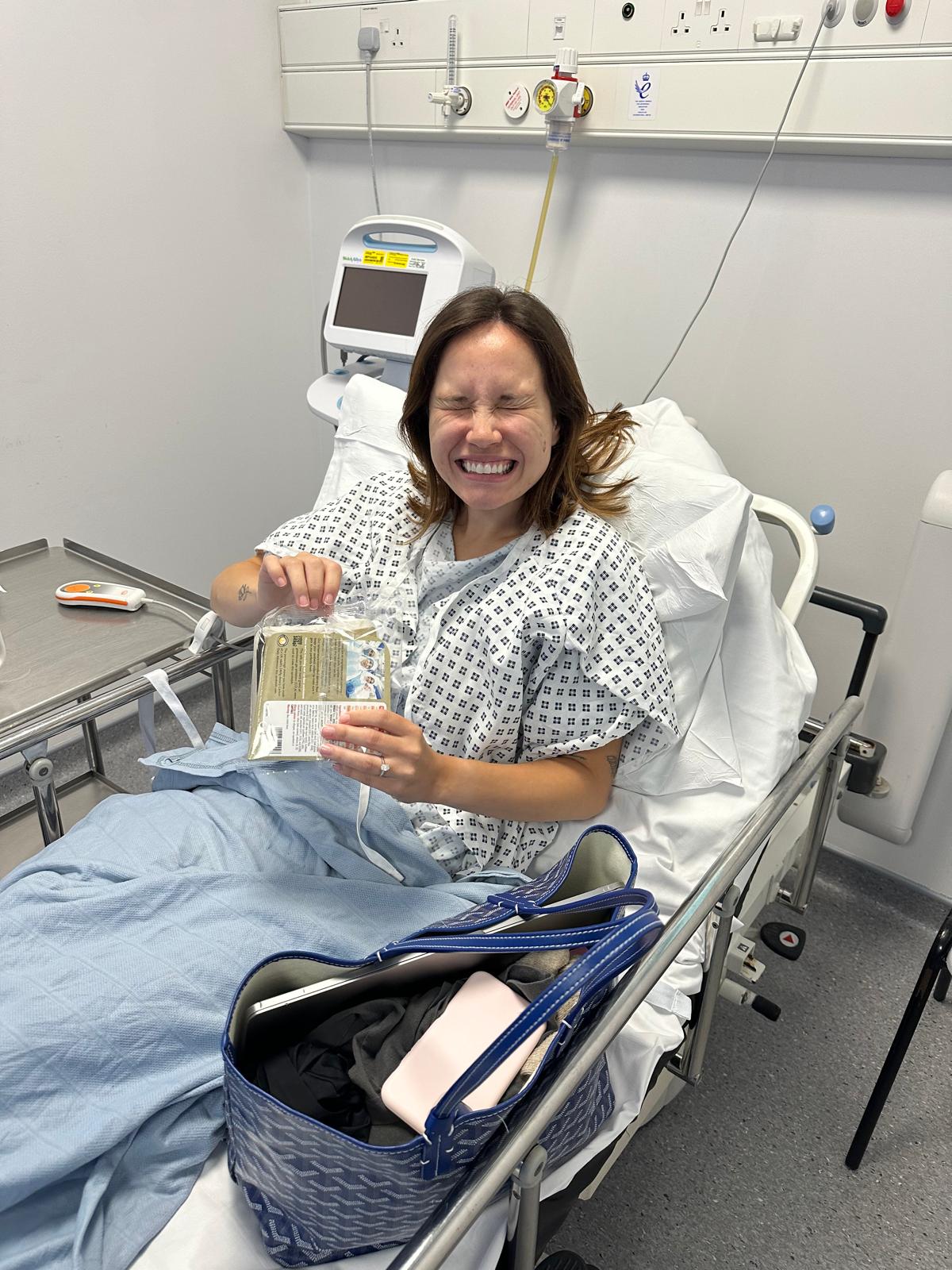
During Cancer Treatment
A cancer diagnosis can change the rhythm of everyday life in an instant. Appointments, treatments, uncertainty, and physical changes can leave you feeling disconnected from the person you were before. But even during the hardest moments, your wellbeing still matters. Looking after your mental and emotional health is at the forefront of your care. It’s not an extra.
Fortunately, small acts of comfort, connection, movement, rest, and self-kindness can help you feel
more grounded when so much feels uncertain.
Today, we’ll explore gentle, realistic ways to support your wellbeing during cancer diagnosis and
treatment, while reminding you that your life, identity, and future still hold meaning beyond your
illness.
Your Identity is Bigger Than Your Diagnosis
A cancer diagnosis can affect far more than your physical health. It can interrupt your routines,
relationships, work, confidence, and the parts of life that once made you feel most like yourself.
During treatment, many people describe feeling as though their identity has been reduced to
appointments, medications, and test results.
That’s why holding onto the things that bring you comfort, purpose, or familiarity can be so powerful
for your wellbeing.
Beth’s story is a moving example of this. Before her diagnosis, Beth worked as a ballet teacher,
teaching young children and building her life around dance. Although treatment meant she could no
longer teach in person, she found another way to stay connected to the world she loved through
social media and content creation for the same ballet company. Her role changed, but her passion did not disappear.
Moments like these matter more than we often realise. It could be music, gardening, writing,
walking your dog, painting, or staying connected to your community. Continuing to nurture the parts
of yourself that exist beyond illness can provide comfort, identity, and hope during an incredibly
uncertain time.
8 Small Acts of Wellbeing That Can Make a Big Difference
When you’re living through treatment, wellbeing can start to feel like another thing on a long to-do
list. But looking after yourself doesn’t need to mean dramatic lifestyle changes or constant positivity.
Often, the smallest acts of care are the ones that help you feel most grounded.
Research has consistently shown that emotional support, routine, and social connection can help
reduce stress and improve quality of life during cancer treatment. In fact, studies have found that
maintaining meaningful social support can help lower feelings of anxiety and emotional distress in
people living with cancer.
Some gentle ways to support your wellbeing may include:
- Creating one “anchor point” in your day. This could be making tea in the morning, watering
plants, or listening to a favourite podcast. Familiar routines can create comfort when life
feels unpredictable. - Letting people help you in practical ways. Many people want to support you but don’t know
how. Allowing someone to cook a meal, drive you to an appointment, or help with errands
can ease emotional pressure too. - Spending time outside where possible. Fresh air, daylight, and gentle nature exposure have
been linked to lower stress levels and improved mood. - Staying connected to the things that make you feel like “you”. Whether that is music,
gaming, football, gardening, makeup, dance, or crafting, your interests still matter. - Reducing pressure to “stay positive” all the time. Some days will feel hopeful. Others may
feel frustrating or exhausting. Both experiences are valid. - Giving your mind a place to unload. Journalling, voice notes, prayer, or speaking with
someone you trust can help release thoughts that become heavy when you carry them
alone. - Protecting your energy without guilt. Treatment can be physically and emotionally draining,
so rest is part of your recovery. - Seeking emotionally safe spaces. Support groups, counselling, trusted friends, or
workplaces that invest in wellbeing champion training can help people feel safer discussing
health challenges and asking for support without fear of judgement.
Most importantly, your wellbeing doesn’t need to be earned. You’re still worthy of care, joy,
connection, and compassion exactly as you are today.
Movement, Strength, and Recovery
Exercise during or after cancer treatment is an amazing way to gently support your body and mind in
ways that feel manageable for you.
Even small amounts of movement can improve mood, reduce fatigue, and help people reconnect
with their bodies after treatment. Exciting new findings from the CHALLENGE trial, published in the
New England Journal of Medicine, also showed that structured exercise after treatment significantly
reduced the risk of recurrence and improved survival in people with stage 2 and 3 colon cancer.
Whether it is stretching, walking, dancing, or light yoga, movement can be a powerful form of self-
care and recovery.
Final Thoughts
Nobody should feel alone while facing colorectal cancer, Crohn’s disease, colitis, or continence
challenges. Yet bowel health is still too often treated as a difficult or overlooked subject, despite the
huge impact these conditions can have on everyday life and wellbeing.
Through research, innovation, training, and patient support, Occtopus continues to change lives and
improve care for people across the UK. Every donation helps fund progress, hope, and better
outcomes for the thousands of people affected by the 3 C’s Occtopus supports: colorectal cancer,
colitis and Crohn’s disease, and continence.
It’s important to remember: Even during life’s hardest moments, your life still holds meaning,
value, and possibility.